When a Hospital Is More Than a Building
The phrase “hospital setup” is used generously. Sometimes it means buying beds and monitors. Sometimes it means constructing a building and terming it a clinic. And sometimes, it means importing the latest medical equipment and hoping everything else somehow falls into place.
But here is the uncomfortable truth: hospital setup goes far beyond buying equipment.
A hospital is a living system. And when that system is misunderstood, the result is often a beautiful facility that struggles to function, retain staff, or deliver consistent care.
This article clarifies what hospital setup in Nigeria really means, why it is often misunderstood, and what it actually takes to build a healthcare facility that works.
Why “Hospital Setup” Is Commonly Misunderstood
The misunderstanding is not accidental. It has been shaped by years of fragmented healthcare development.
In Nigeria, many hospital projects begin with one dominant question: “What equipment do we need to buy?” That question matters, but it is rarely the right place to start.
Several factors fuel this confusion:
- Equipment vendors selling machines without integration support
- Building contractors unfamiliar with clinical workflows
- Medical devices not aligned with local power, space, or staffing realities
- Underestimating regulatory, operational, and staffing requirements
As a result, hospital setup becomes reduced to procurement, rather than healthcare system design.
What Hospital Setup Actually Mean
A proper hospital setup is the intentional coordination of infrastructure, clinical workflow, people, equipment, and long-term operations.
It involves decisions that determine whether the hospital will still be functional five years from now.
Let’s break it down together. Shall we?
1. Facility Design Should Match Clinical Reality
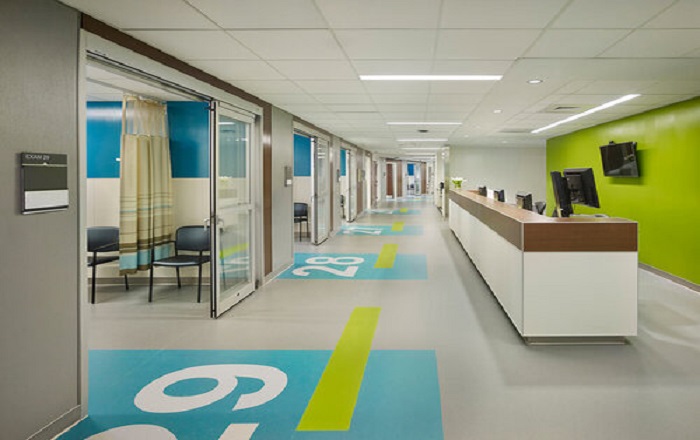
Hospital building is often treated as a real estate project, but in practice, it is a clinical one.
Room sizes, corridor widths, power load planning, water access, ventilation, and patient flow all affect care delivery. An operating theatre that looks impressive but cannot maintain sterile airflow becomes a liability, not an asset.
A functional hospital build aligns architectural design with:
- Offered Clinical specialties
- Expected patient volume
- Equipment specifications
- Infection prevention standards
When design fails to align with clinical realities, costly retrofitting will follow.
2. Equipment Is Only Useful When It Fits the System
For example, a ventilator without trained staff, service plans, or stable power becomes an ornament.
True medical setup should consider:
- Equipment suitability for local use
- Installation and calibration
- Staff training
- Maintenance and service continuity
- Compatibility with available consumables
Medical devices must fit the hospital’s operational capacity.
3. Regulatory and Licensing
Many facilities delay regulatory considerations until the building is complete. This is costly.
Hospital setup in Nigeria requires alignment with:
- State Ministries of Health
- Relevant professional councils
- Facility classification requirements
- Radiation and laboratory regulations where applicable
Licensing shapes layout, staffing, and equipment requirements. Ignoring it early leads to delays, redesigns, or operational restrictions.
4. Staffing, Training, and Retention Are Part of Setup
No matter how well designed or equipped it may be, a hospital cannot deliver care without the people required to run it.
Staffing strategy affects:
- Equipment selection
- Shift/Schedule design
- Patient flow
- Quality assurance
Hospitals that fail to plan for training and growth often experience high turnover and inconsistent care.
5. Operations: The Quiet Determinant of Survival
Operations are often overlooked during the launch phase of a hospital, yet they determine sustainability.
Hospital setup includes:
- Power backup and redundancy planning
- Supply chain and consumables management
- Maintenance schedules
- Data, reporting, and basic health information systems
- Financial and administrative workflows
Without operational planning, even a well-built hospital will struggle to scale or remain profitable.
Buying Equipment vs Building a Healthcare System
Here is the distinction many miss:
Buying equipment solves a purchasing problem. Hospital setup solves a care delivery problem.
A functioning healthcare system is intentional, designed, coordinated, and supported across its lifecycle.
This is why many hospitals appear complete but feel underutilized, overstretched, or perpetually fixing avoidable issues.
Why This Distinction Matters More Than Ever
Healthcare demand in Nigeria is growing. Patients are more informed. Standards are rising. Competition is increasing.
Hospital setup is no longer about opening day. It is about sustainability, credibility, and trust.
Where the Right Partner Makes the Difference
Hospital setup works best when planning, building, equipping, and operational thinking are coordinated.
This is where coordination becomes essential, ensuring alignment between design, equipment, regulatory compliance, and long-term operations.
At Sariva Healthcare, hospital setup is a system. From medical equipment selection in Nigeria to facility planning, installation, and lifecycle support, the focus remains on functionality.
Because a hospital should work beautifully long after the ribbon is cut.
Author: Taiwo Oluwaseyi Osoba