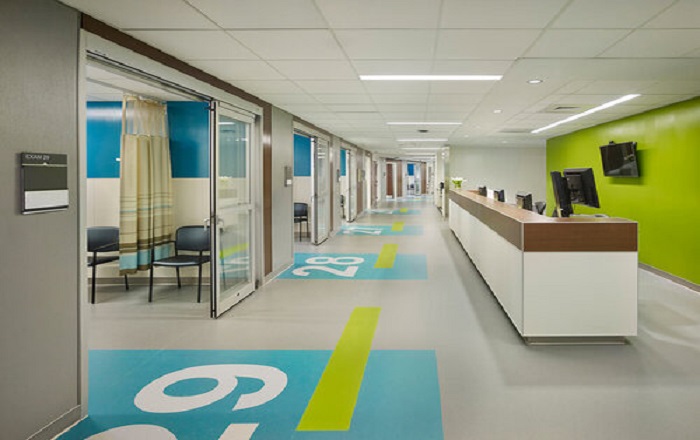

When you walk into a hospital, you might notice the gleaming floors, the neat rows of beds, or the latest machines. But here’s the thing: a hospital can look perfect and still slow healing. Why? Because recovery
isn’t triggered by walls or equipment, it’s triggered by an environment designed to care for both body
and mind.
Most people, and even some hospital planners assume that building a beautiful structure and buying
advanced machines is enough. The uncomfortable truth is that hospitals are living systems. Every
corner, every hallway, and every room has the power to help patients recover faster or hold them back.
This article dives into why design matters, the hidden factors that influence healing, and how a
hospital’s architecture can quietly shape life-and-death outcomes.
Why Hospital Design Is More Than Architecture
A hospital is not just a building; it is a living system. Patient recovery depends on a combination of physical space, workflow, staff interaction, and operational support.
Yet many projects start and end with the blueprint, missing key factors that influence outcomes:
- Noise, lighting, and ventilation affecting patient comfort and stress
- Poor layout that complicates staff movement or delays care
- Rooms that don’t accommodate family involvement, therapy, or patient mobility
- Overlooking infection control in corridor, room, and equipment placement
When these elements are ignored, even the most modern building can feel cold, chaotic, and unconducive to healing.
When Design Meets Recovery
Imagine two hospitals. Both have the same machines, same number of staff, same budget. One has long, noisy corridors and windowless rooms. The other has sunlight spilling into patient rooms, clear signage, and spaces where families can stay. Which patient is more likely to recover faster?
Patient-centered design is not a luxury, it’s a medical intervention. Every decision, from room orientation to corridor width, affects stress levels, infection risk, and how staff interact with patients.
Yet, many facilities are still built without thinking about these invisible forces.
Healing Happens in the Details
- Sunlight, Sound, and Color Matter:
Bright rooms and soft natural light aren’t just nice,they lower stress and improve sleep, both of which accelerate recovery. Noise reduction in hallways helps patients rest and allows staff to
focus. Color schemes influence mood, subtly easing anxiety. - Workflow Hidden in Plain Sight:
A well-designed hospital hides complexity. Staff should move efficiently, patients should
navigate easily, and equipment should always be at hand. When the workflow is seamless, care
is faster and errors are fewer. - Safety by Design:
From air circulation to spacing between beds, infection control begins before the first patientarrives. Thoughtful placement of sanitation stations and durable, easy-to-clean surfacesprevents the hidden dangers that often derail recovery - Flexibility Is Futureproofing:
Healthcare evolves constantly. Rooms and utilities that can adapt to new treatments or
technologies keep hospitals functional for decades. A rigid structure might impress today, but it
won’t survive tomorrow.
Here’s the surprising part: patients can actually feel hospital design. Studies show that even small
improvements, like a window view of trees or shorter hallway walks, can measurably reduce recovery times. In other words, hospitals that heal physically, mentally, and emotionally are deliberately designed, not accidentally built.
Where Design Meets Action
At Sariva Healthcare, we treat hospital design as more than construction; it’s a clinical strategy. From planning layouts that enhance patient recovery to integrating equipment and operational workflows, every decision is intentional.
Because a hospital that works with its patients, and not just for them, can transform recovery from a waiting game into a measurable outcome.