Healing rarely starts with medicine. It often starts with what patients never see.
Before the first incision. Before the first injection. Before a nurse says a word. Healing begins with equipment that is clean, sterile, and safe to touch the human body.
Yet sterilization is one of the most misunderstood parts of healthcare delivery. It is treated as a background task. Something routine. Something assumed to be “handled.” In reality, it is one of the most decisive factors in patient outcomes.
This article looks at why sterilization matters more than many hospitals realize, where things commonly go wrong, and why clean equipment is not a support function, but a clinical foundation.
Sterilization Is Not Cleaning
One of the biggest mistakes in healthcare facilities is confusing cleaning with sterilization.
Cleaning removes visible dirt. Sterilization eliminates microorganisms that cause infections, complications, and prolonged hospital stays. The difference is not semantic. It is clinical.
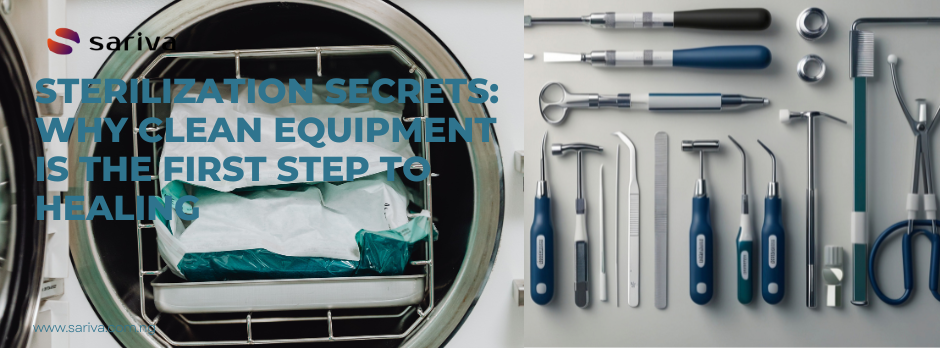
True sterilization depends on:
- The right equipment for the right instruments
- Correct temperature, pressure, or chemical exposure
- Strict timing and process control
- Proper storage after sterilization
When any part of this chain breaks, sterile instruments quietly become risks.
Why Patients Pay the Price for Sterilization Gaps
Hospital-acquired infections do not announce themselves. They appear days later, often after a procedure seemed successful.
Poor sterilization leads to:
- Surgical site infections
- Longer recovery periods
- Repeat procedures
- Increased antibiotic use
- Loss of patient trust
For patients, the impact is physical, emotional, and financial. For hospitals, it becomes a reputational and operational burden that is difficult to reverse.
The Hidden Complexity Behind “Sterile”
Sterilization units are often tucked away, understaffed, or under-equipped. But behind those closed doors is a process that requires precision.
Effective sterilization depends on alignment between:
- Instrument type and sterilization method
- Power stability and water quality
- Staff training and process discipline
- Maintenance and validation of equipment
A modern autoclave in an unstable power environment becomes unreliable. Well-trained staff without proper tools become frustrated. Sterilization works only when the system works together.
Where Many Facilities Go Wrong
Most sterilization failures are not caused by negligence. They are caused by design and planning gaps.
Common issues include:
- Purchasing sterilization equipment without considering instrument volume
- Lack of workflow separation between dirty and clean zones
- Skipping routine validation and monitoring
- Treating sterilization staff as support, not specialists
These gaps rarely show up on opening day. They surface months later, in rising infection rates and operational stress.
Sterilization as a Clinical Decision
Here is the shift many hospitals need to make: sterilization is not a back-end process. It is a clinical decision that directly affects patient safety.
When sterilization is planned properly, it influences:
- Procedure scheduling
- Equipment lifespan
- Infection control metrics
- Staff confidence and efficiency
Clean equipment does more than prevent harm. It enables care to proceed without hesitation.
Where the Right Systems Matter
At Sariva Healthcare, sterilization is approached as part of the care system, not an afterthought. From selecting appropriate sterilization solutions to aligning workflows, training, and long-term support, the focus is on consistency and reliability.
Because healing does not begin when treatment starts.
It begins when the equipment is safe enough to touch a patient.