It was 3 a.m., and the ICU was quiet, except for the beeping monitors. A young patient, struggling to breathe after a severe infection, was fading fast. Every second mattered.
A nurse quickly checked the ventilator and noticed the oxygen supply was running low. Seconds later, a fresh cylinder was wheeled in, connected, and the steady hiss of life-giving oxygen filled the room. Within minutes, the patient’s color improved, the breathing eased, and the monitors started stabilizing.
Oxygen is invisible. It has no taste. It makes no noise. And yet, in a hospital, it can be the difference between life and death.
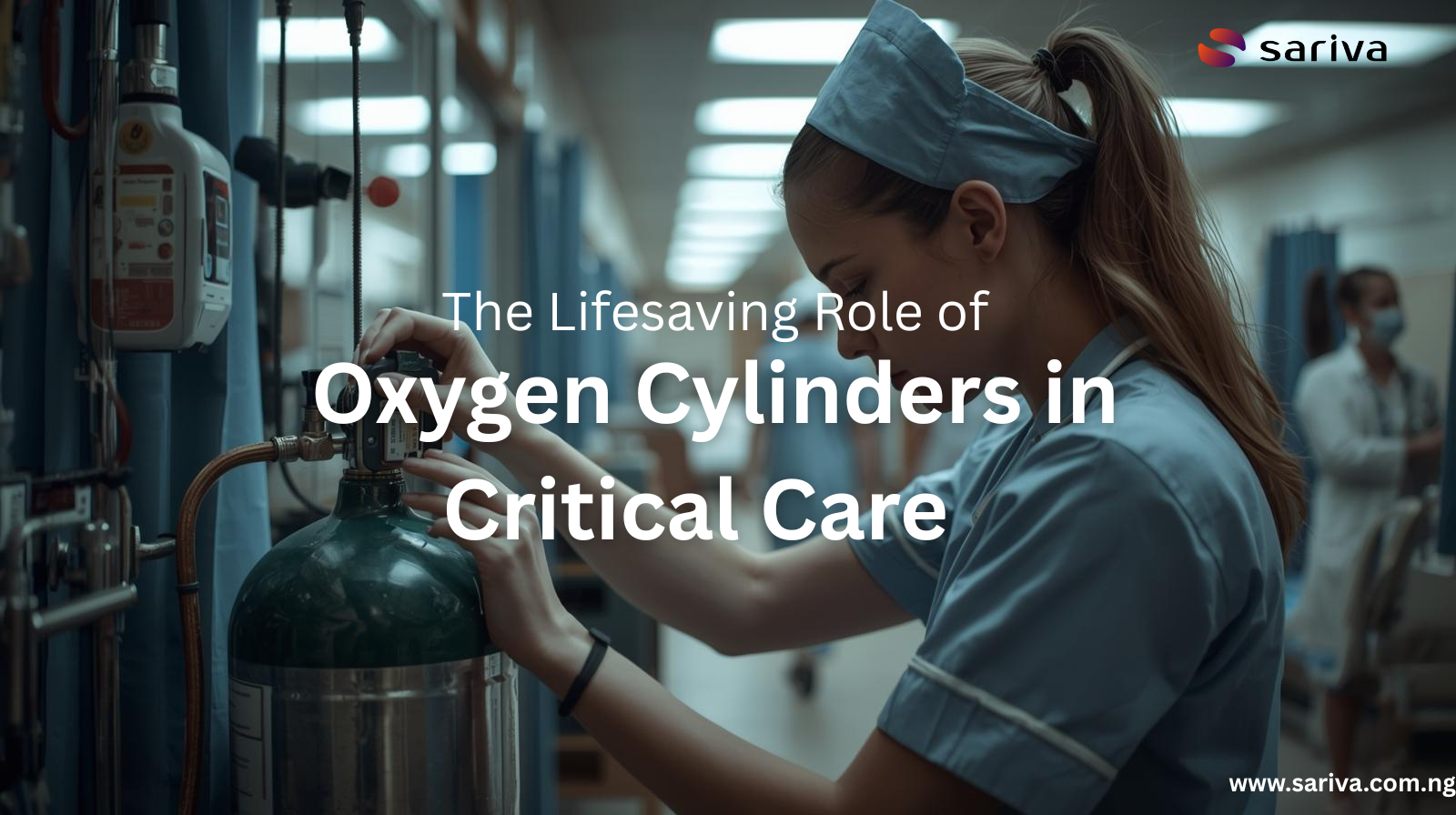
Critical care units often revolve around machines, monitors, and medications; but none of these matters if oxygen doesn’t reach the patient in time, in the right concentration, and reliably. The humble oxygen cylinder is often overlooked, quietly standing guard behind the scenes, yet its role is central to survival.
This article explores why oxygen cylinders are more than just metal containers; they are lifelines.
Oxygen: The Silent Partner in Healing
For patients in critical care, every breath counts. Respiratory distress, trauma, post-surgical recovery, and severe infections can all make oxygen delivery a matter of minutes. A functioning oxygen system can stabilize a patient long enough for other treatments to work.
Yet, oxygen cylinders are often treated as secondary equipment, something to refill and stack rather than a critical part of patient care. Underestimating their importance can have immediate consequences:
- Delayed oxygen delivery
- Fluctuating flow rates affecting recovery
- Equipment failures unnoticed until it’s too late
Beyond the Cylinder: What Makes Oxygen Lifesaving
Not all oxygen setups are created equal. A cylinder alone does not save lives; proper planning, usage, and maintenance make the difference.
- Readiness Matters
Cylinders must be full, accessible, and connected to functional delivery systems. In critical care, seconds lost to locating or preparing a cylinder can be fatal. - Flow and Monitoring
Oxygen must reach patients at the correct pressure and flow. Too little or too much can complicate treatment. Critical care teams rely on cylinders that work seamlessly with regulators, masks, and ventilators. - Maintenance and Safety
Cylinders are high-pressure vessels. Leaks, rust, or poorly maintained valves can render them useless, or dangerous. Scheduled checks, trained staff, and clear protocols ensure the equipment works when it matters most. - Integration With Care Systems
Oxygen cylinders don’t operate in isolation. They are part of a broader ecosystem of critical care: backup power, ventilators, emergency trolleys, and trained staff. Any weak link can compromise patient outcomes.
The Hidden Impact on Recovery
When oxygen delivery is reliable, everything else works better. Medications act faster. Patients stabilize sooner. Staff confidence rises. Recovery becomes measurable.
Conversely, inconsistent oxygen availability creates ripple effects: prolonged ICU stays, increased risk of complications, and even preventable deaths.
Why the Humble Cylinder Deserves Attention
Oxygen cylinders are simple. But life-saving simplicity requires careful management. In critical care, they are not background equipment, they are frontline responders.
At Sariva Healthcare, we treat oxygen delivery as a core component of patient safety. From proper selection and installation to maintenance and staff training, every cylinder is part of a system designed to save lives consistently.
Because in hospitals, sometimes the most invisible things have the most visible impact.