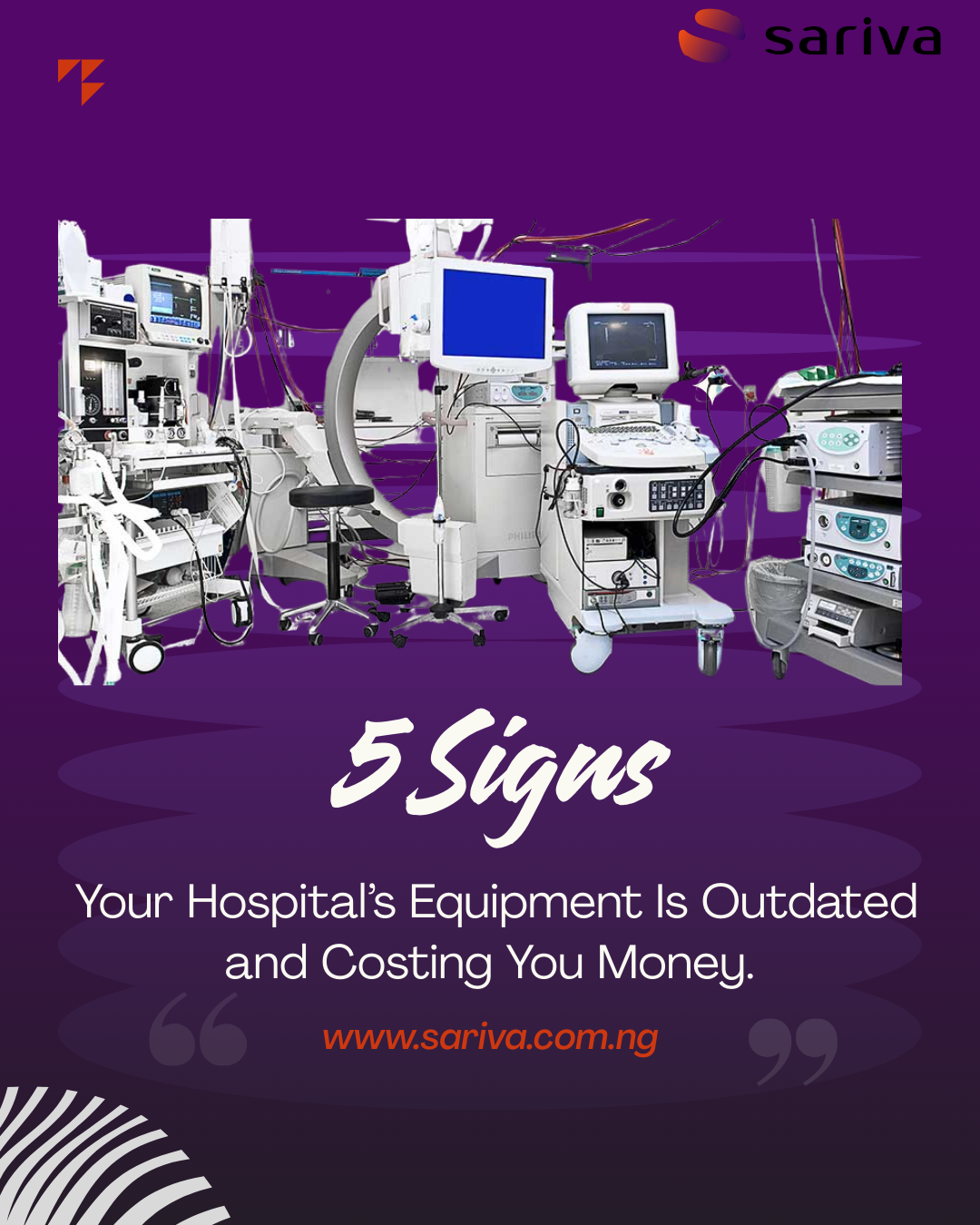
Medical equipment is one of the largest investments a hospital makes. Diagnostic machines, monitoring systems, sterilization units, and surgical devices all play a central role in patient care and operational efficiency.
Yet equipment rarely stops working overnight. More often, it slowly becomes outdated. Performance declines, maintenance becomes frequent, and staff begin working around its limitations. Because the changes are gradual, hospitals sometimes overlook the warning signs.
Outdated equipment does more than slow down operations. It quietly increases operating costs, reduces productivity, and affects the quality of care delivered.
Here are five clear indicators that hospital equipment may be costing more than it should.
1. Frequent Breakdowns and Unplanned Downtime.
Occasional technical issues are expected with any machine. But when equipment repeatedly fails or requires constant repair, it becomes a liability.
Frequent downtime disrupts clinical workflows. Surgeries are delayed, diagnostics are postponed, and patient throughput declines. The financial impact can be significant, especially when critical services rely on that equipment.
When breakdowns become routine, it may be more cost-effective to upgrade rather than continue repairing aging systems.
2. Rising Maintenance and Repair Costs.
Older equipment often demands increasing maintenance. Replacement parts become harder to find, service visits become more frequent, and repair bills steadily climb.
At some point, the total cost of maintaining the equipment begins to approach the cost of replacing it. Hospitals that track maintenance expenses over time often discover that outdated machines consume a disproportionate share of their operating budget.
Monitoring maintenance trends can help determine when replacement is the smarter financial decision.
3. Slower Performance and Reduced Efficiency.
Technology evolves rapidly in healthcare. Equipment that once operated at the cutting edge may now struggle to keep pace with modern clinical demands.
Outdated systems often:
- Take longer to process diagnostic results
- Require manual steps that newer systems automate
- Limit patient throughput in busy departments
These inefficiencies accumulate throughout the day, reducing productivity and increasing staff workload.
4. Limited Compatibility With Modern Systems.
Hospitals increasingly rely on integrated digital systems. Electronic health records, imaging platforms, and data-sharing tools require equipment that can communicate seamlessly.
Older devices often lack compatibility with modern hospital information systems. This creates fragmented workflows, forces staff to rely on manual documentation, and increases the likelihood of errors.
When equipment cannot integrate with current systems, the operational cost is often hidden but significant.
5. Difficulty Meeting Current Clinical Standards.
Healthcare standards and regulations continue to evolve. Equipment that was compliant years ago may struggle to meet current requirements for accuracy, safety, or infection control.
Outdated sterilization units, imaging systems, or monitoring equipment may not support the level of care patients expect today. Hospitals that rely on aging technology risk falling behind both clinically and competitively.
Looking Beyond the Purchase Price.
Replacing medical equipment is a significant decision. However, focusing solely on the purchase cost can be misleading. The true cost of equipment includes maintenance, downtime, inefficiency, and the impact on patient care.
Hospitals that periodically assess the performance and lifecycle of their equipment are better positioned to make informed investment decisions.
At Sariva Healthcare, equipment planning goes beyond procurement. From selection and installation to lifecycle support and maintenance strategy, the focus is on ensuring hospitals operate with technology that remains reliable, efficient, and aligned with modern healthcare standards.
Because equipment should support hospital growth, not quietly drain its resources.