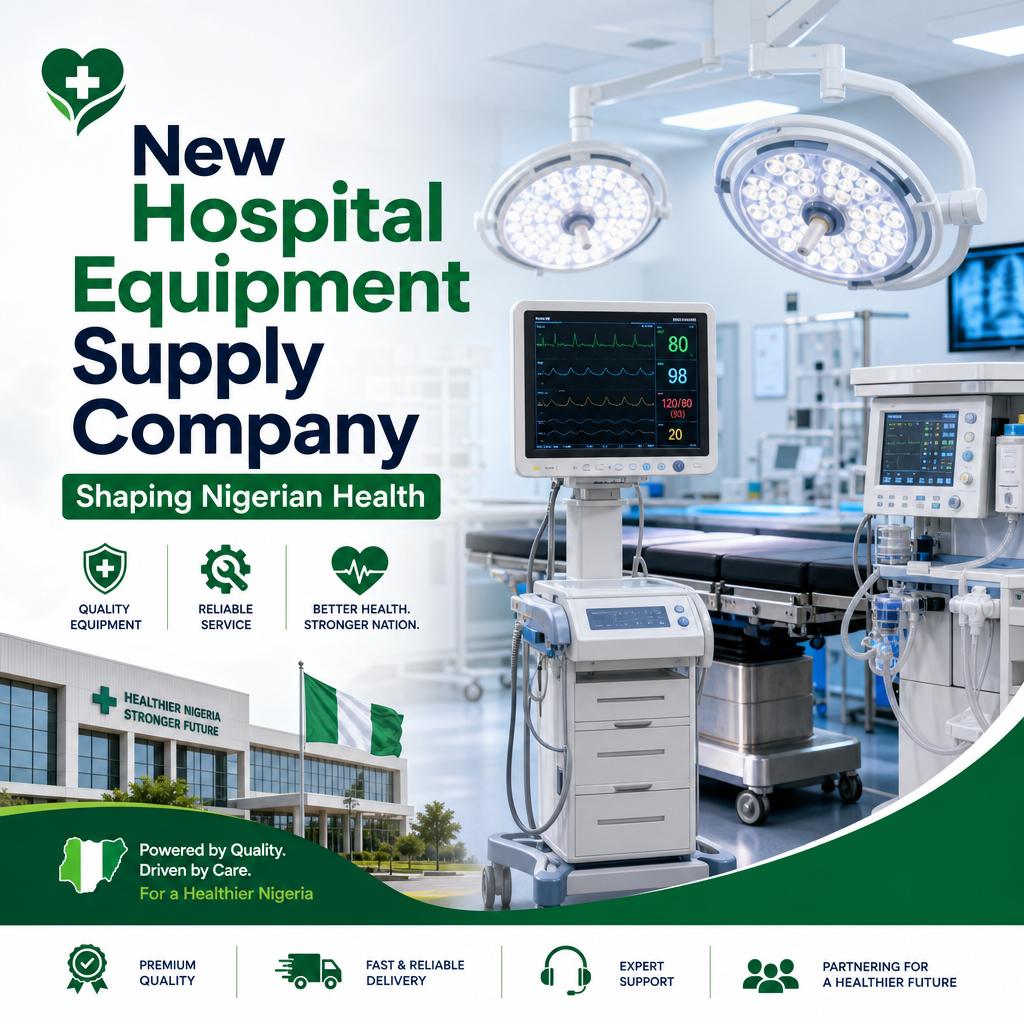
In many hospitals, medical equipment does not belong to one department alone.
A single ultrasound machine may serve multiple units. Portable monitors move between wards. Infusion pumps circulate across floors. Diagnostic devices are shared between clinicians, shifts, and departments throughout the day.
On the surface, this seems efficient.
In practice, shared equipment environments often create one of the most overlooked operational problems in healthcare: unclear accountability.
When equipment is used by many people but owned by no clear process, maintenance becomes inconsistent, damage goes unreported, and responsibility becomes difficult to trace.
The equipment still functions, but the system around it begins to weaken.
Shared Access Changes How Equipment Is Treated.
People tend to care differently for systems they feel responsible for.
In shared environments, that sense of responsibility becomes diluted.
Small issues are overlooked:
- A loose cable is ignored
- A battery problem is assumed to be “someone else’s issue”
- Faults go unreported because the equipment still works “well enough”
Over time, these minor problems accumulate.
The result is not usually sudden failure. It is gradual deterioration without clear ownership of the cause.
The Problem Is Rarely Intentional.
Most equipment damage in hospitals is not caused by negligence in the traditional sense.
It is caused by fragmented responsibility.
Different departments may assume:
- Another team reported the issue
- Biomedical staff are already aware
- The equipment was faulty before they used it
Without a defined accountability structure, information falls through gaps.
The equipment continues circulating while unresolved issues become larger and more expensive to fix.
Maintenance Depends on Accurate Reporting.
Preventive maintenance only works when equipment conditions are visible.
In shared environments, this visibility is often poor.
Common problems include:
- Incomplete usage logs
- Missing fault reports
- Unclear service history
- Equipment moving without tracking
This affects biomedical teams directly.
When reporting is inconsistent, technicians are forced to respond reactively instead of proactively. They address failures after they occur rather than identifying patterns early.
Shared Equipment Often Experiences Faster Wear.
Portable and shared devices typically experience:
- Higher handling frequency
- More transportation between units
- Greater exposure to accidental drops or improper storage
- Irregular charging and cleaning practices
Yet maintenance schedules do not always reflect this increased usage intensity.
A device used across five departments does not experience wear at the same rate as one used in a single controlled environment.
Without proper tracking, this difference is missed.
Accountability Is Not About Blame.
One reason accountability systems fail is because they are perceived as disciplinary tools.
That approach creates resistance.
In reality, accountability in healthcare equipment management is about traceability and continuity.
It answers practical questions:
- Who used the equipment last?
- Was a fault reported?
- When was it cleaned or charged?
- Has performance changed over time?
Clear accountability improves response speed and protects the equipment itself.
What Stronger Accountability Looks Like.
Hospitals do not need overly complex systems to improve accountability.
Simple operational structures make a significant difference.
These include:
1. Clear Equipment Assignment
Even in shared environments, devices should have designated departmental oversight.
2. Basic Usage and Fault Logs
Usage should be documented consistently, especially for high-value or mobile equipment.
3. Defined Reporting Channels
Staff should know exactly how and where to report issues immediately.
4. Routine Equipment Checks
Short daily or shift-based inspections help identify problems early.
5. Visibility Across Departments
Biomedical teams, nursing staff, and administrators should have access to the same equipment status information.
Accountability becomes easier when systems are structured around clarity instead of assumptions.
The Operational Cost of Poor Accountability.
When accountability is weak, hospitals experience:
- Increased equipment downtime
- Repeated avoidable damage
- Higher repair costs
- Lost or misplaced devices
- Disruption to patient care
These outcomes are often treated as isolated incidents.
In reality, they are usually connected to the same underlying issue: no clear ownership process.
Shared Systems Still Require Structure.
Sharing equipment is not the problem.
Most hospitals need shared systems to operate efficiently.
The problem begins when shared access exists without shared discipline.
Efficient equipment use depends on:
- Defined processes
- Consistent reporting
- Coordinated oversight
- Clear operational expectations
Without these, hospitals spend more time managing preventable issues than improving performance.
Where Accountability Improves Reliability.
Hospitals that build stronger accountability systems tend to experience:
- Better equipment lifespan
- Faster fault response
- More accurate maintenance planning
- Reduced operational disruptions
The equipment itself may not change.
The system around it does.
From Shared Use to Shared Responsibility.
Medical equipment supports multiple people, departments, and patients every day.
But for that system to work sustainably, responsibility cannot remain vague.
At Sariva Healthcare, equipment support includes helping facilities strengthen the operational systems surrounding their devices, not just the devices themselves.
Because reliable healthcare equipment depends as much on accountability as it does on technology.