Blog

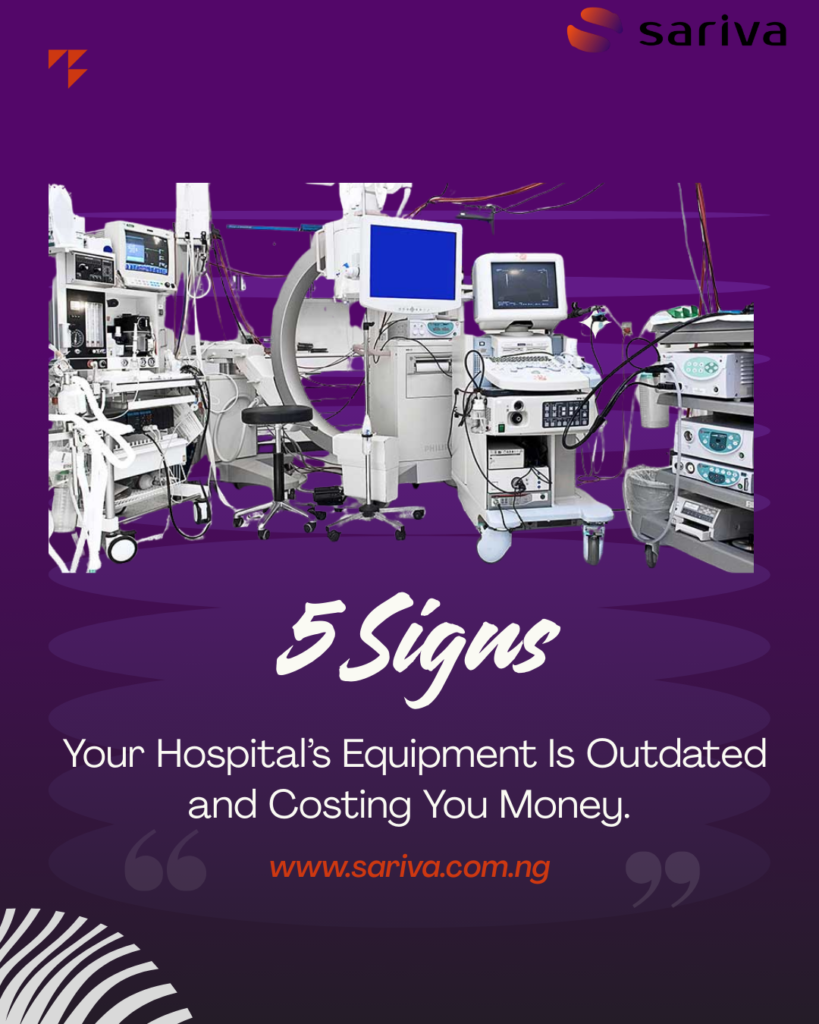
5 SIGNS YOUR HOSPITAL’S EQUIPMENT IS OUTDATED AND COSTING YOU MONEY.

Medical equipment is one of the largest investments a hospital makes. Diagnostic machines, monitoring systems, sterilization units, and surgical devices all play a central role in patient care and operational efficiency. Yet equipment rarely stops working overnight. More often, it slowly becomes outdated. Performance declines, maintenance becomes frequent, and staff begin working around its limitations. […]

5 SIGNS YOUR HOSPITAL’S EQUIPMENT IS OUTDATED AND COSTING YOU MONEY. Read More »

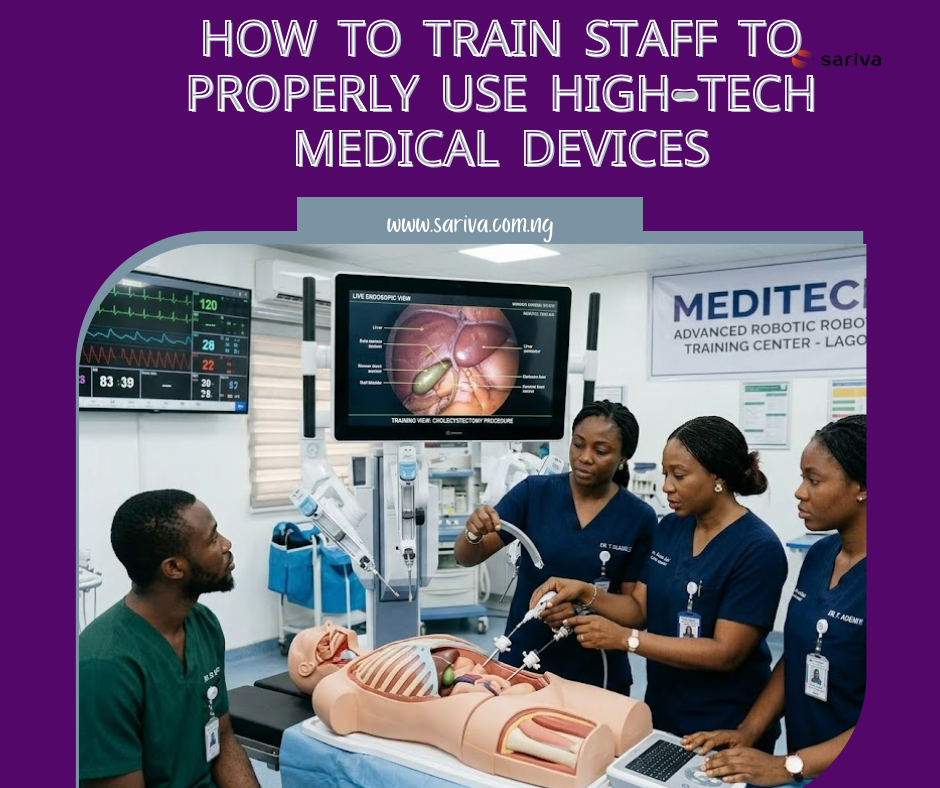
HOW TO TRAIN STAFF TO PROPERLY USE HIGH-TECH MEDICAL DEVICES.

Medical technology has transformed healthcare. Advanced diagnostic machines, ventilators, imaging systems, and laboratory analyzers improve accuracy, efficiency, and patient outcomes. But these benefits only materialize when staff know how to operate them correctly. In many hospitals, equipment is purchased and installed, yet proper training is overlooked or treated as an afterthought. The result? Misuse, underutilization,

HOW TO TRAIN STAFF TO PROPERLY USE HIGH-TECH MEDICAL DEVICES. Read More »

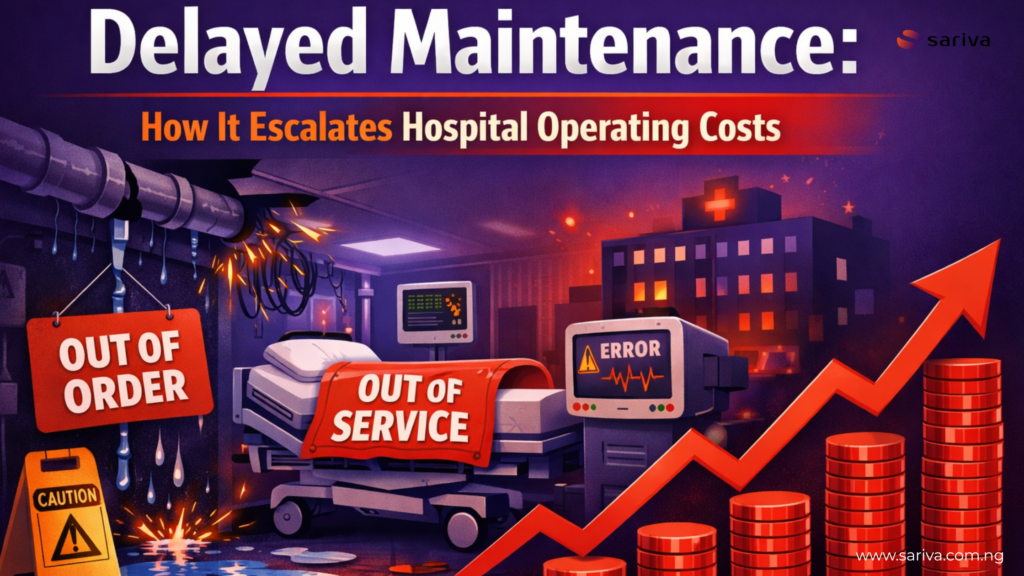
DELAYED MAINTENANCE: HOW IT ESCALATES HOSPITAL OPERATING COSTS.

Hospital equipment is built for precision. Ventilators regulate breathing. Imaging systems capture diagnostic detail. Laboratory analyzers process results clinicians depend on. But behind every functioning device is a less visible requirement: consistent maintenance. In many hospitals, maintenance is treated as something to address when equipment fails. The result is a cycle of reactive repairs, rising

DELAYED MAINTENANCE: HOW IT ESCALATES HOSPITAL OPERATING COSTS. Read More »

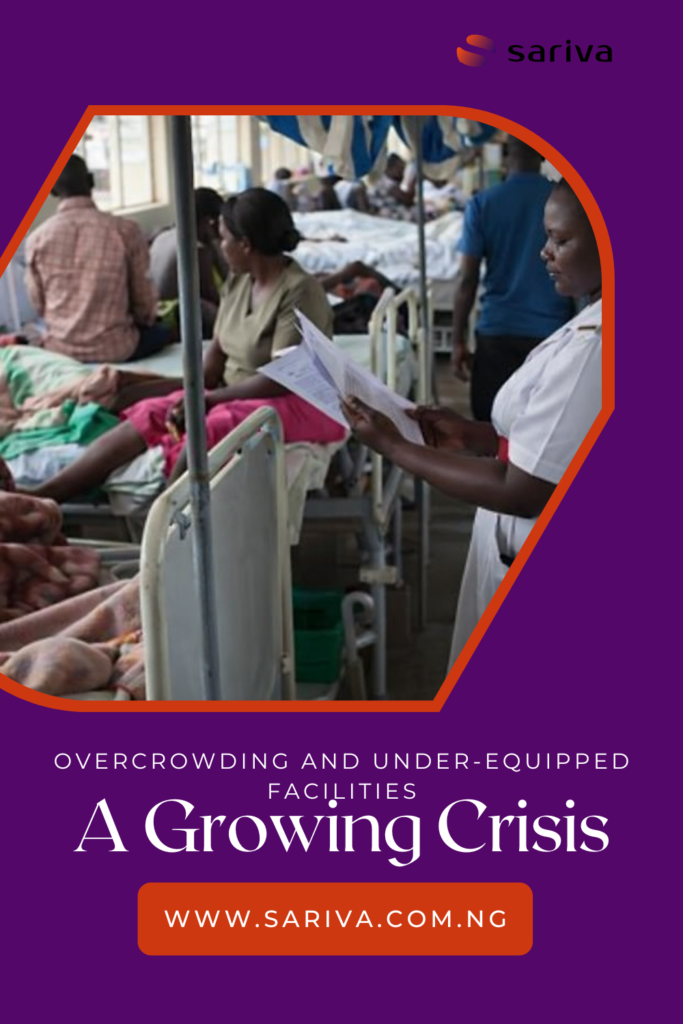
Overcrowding and Under-Equipped Facilities: A Growing Crisis.

Healthcare is not just about hospitals; it’s about the systems that make them work. Yet across Nigeria, many hospitals face a recurring challenge: overcrowding in facilities that are under-equipped to meet patient demand. This combination is more than inconvenient; it is a growing crisis with real consequences for patient outcomes, staff morale, and operational sustainability.

Overcrowding and Under-Equipped Facilities: A Growing Crisis. Read More »

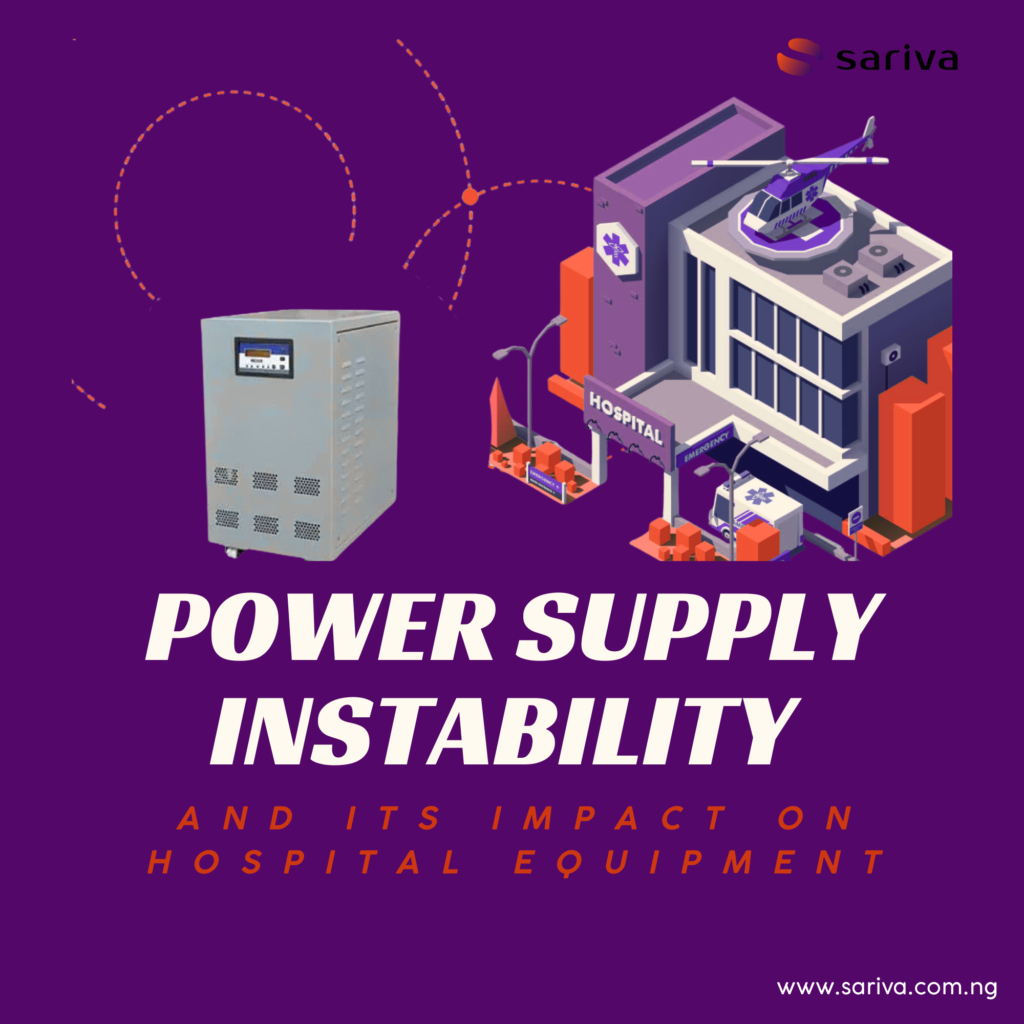
POWER SUPPLY INSTABILTY and IT’S IMPACT on HOSPITAL EQUIPMENT.

Electricity is often treated as background infrastructure in healthcare. It powers lights, air conditioning, and administrative systems. Yet in practice, stable electricity is a clinical requirement. When power becomes unreliable, patient care, equipment performance, and hospital finances are all affected. Across Nigeria and many emerging health systems, power instability remains one of the most persistent

POWER SUPPLY INSTABILTY and IT’S IMPACT on HOSPITAL EQUIPMENT. Read More »

BEST PRACTICES for EQUIPMENTS STORAGE and STERILIZATION.

Medical equipment is the backbone of patient care. Yet even the most advanced devices are only as effective as the systems that protect them. Improper storage or sterilization doesn’t just reduce lifespan, it risks patient safety, increases costs, and undermines hospital credibility. Many facilities in Nigeria and beyond focus heavily on acquisition, buying the latest

BEST PRACTICES for EQUIPMENTS STORAGE and STERILIZATION. Read More »

THE ROI of INVESTING in MODERN DIAGNOSTIC EQUIPMENT.

Healthcare investment decisions often revolve around cost. Diagnostic equipment, in particular, is sometimes viewed as a large expense rather than a strategic asset. But diagnostics sit at the center of clinical decision-making. When diagnostic tools are outdated, slow, or unreliable, the ripple effects extend across the entire hospital system. Modern diagnostic equipment is not just

THE ROI of INVESTING in MODERN DIAGNOSTIC EQUIPMENT. Read More »

Do’s and Don’ts of Medical Equipment Handling for Hospital Staff.

Medical equipment is the backbone of modern healthcare. But even the most advanced machines cannot save lives if they are misused. Every hospital relies on staff to operate, maintain, and care for equipment correctly. A small mistake can lead to downtime, inaccurate results, or even patient harm. This article explores practical do’s and don’ts for

Do’s and Don’ts of Medical Equipment Handling for Hospital Staff. Read More »

Breaking Down Barriers: How Portable Medical Equipment Brings Care to Rural Areas.

In many rural communities, healthcare is not absent. It is distant. Distance here is not just measured in kilometers. It is measured in bad roads, transport costs, delayed referrals, and patients who arrive too late. For millions of people, access to care depends not only on hospitals being built—but on healthcare being able to move.

Breaking Down Barriers: How Portable Medical Equipment Brings Care to Rural Areas. Read More »