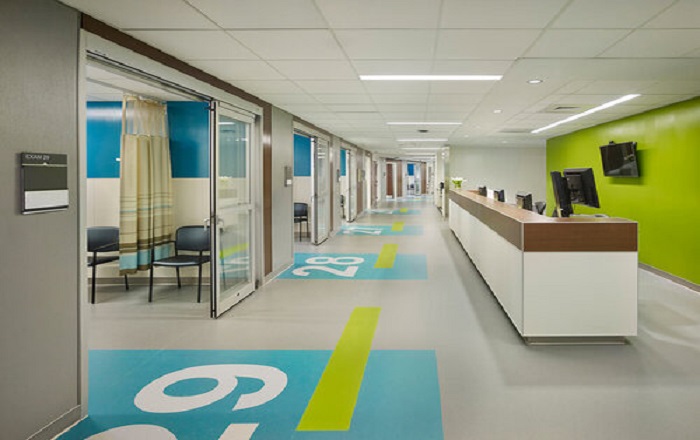

Walk into most hospitals and ask for maintenance records, and you will find them.
Logbooks filled with dates. Service reports neatly filed. Usage records updated, sometimes daily. On paper, the data exists.
But ask a different question. What decisions have been made from this data?
That is where the silence usually begins.
Hospitals are not short on data. They are short on data that is actually used.
This gap is subtle, but it carries real consequences. Equipment fails without warning. Downtime repeats itself. Costs rise in patterns that no one tracks.
The issue is not collection. It is attention.
The Comfort of Recording Without Reviewing.
Maintenance logs are often treated as a compliance task.
Something to be filled. Signed. Stored.
In many facilities, biomedical teams or technicians record:
- Routine checks
- Fault occurrences
- Parts replaced
- Service dates
The process is consistent. The documentation is present.
What is missing is the second step.
Review.
Without periodic review, logs become historical records instead of operational tools. They tell a story, but no one reads it.
And when data is not reviewed, it cannot influence decisions.
Patterns That Show Up Too Late.
Equipment failure is rarely random.
Before a breakdown, there are usually signals:
- Increasing frequency of minor faults
- Repeated replacement of the same component
- Gradual performance decline
- Longer downtime after each service
These patterns do not appear in isolation. They build over time.
The problem is not that hospitals lack this information. It is already captured in logs and service records.
The problem is that no one connects the dots early enough.
By the time action is taken, the equipment has already failed, and the response becomes reactive instead of preventive.
When Data Stays with Individuals.
In some hospitals, data is not just unreviewed. It is fragmented.
Technicians may have insights based on experience:
“This machine has been acting up more frequently.”
“We’ve replaced this part three times this quarter.”
But these observations often stay informal. They are not structured, tracked, or escalated.
When knowledge lives in individuals instead of systems:
- Patterns are harder to validate
- Decisions rely on memory instead of evidence
- Continuity is lost when staff change
Data should outlive the people who record it. Otherwise, the hospital keeps starting from scratch.
The Cost of Ignoring What You Already Know.
When maintenance and usage data are not used, the impact shows up in familiar ways:
- Unexpected equipment downtime
- Repeated emergency repairs
- Higher maintenance costs over time
- Disruption to clinical services
These are often treated as unavoidable.
In many cases, they are not.
They are the result of missed signals.
Turning Data into Decisions Does Not Require Complexity.
There is a common assumption that using data requires advanced systems or expensive software.
It does not.
What it requires is consistency and intent.
Simple steps can change how data is used:
1. Schedule Regular Reviews
Set a fixed time, monthly or quarterly, to review maintenance logs and service records. Not casually, but with the goal of identifying trends.
2. Track Recurring Issues
Highlight equipment with repeated faults or frequent servicing. These are early indicators of deeper problems.
3. Define Basic Triggers for Action
For example:
- If a machine requires repair more than three times in a quarter, escalate for deeper inspection or replacement consideration
- If downtime exceeds a certain threshold, review operational impact
Clear triggers turn observation into action.
4. Centralize Records
Whether digital or structured spreadsheets, data should be stored in a way that allows comparison over time. Scattered records make pattern recognition difficult.
5. Link Data to Decisions
Every review should end with a decision. Repair, monitor, replace, or escalate. Without this step, the review becomes another form of documentation.
From Record Keeping to System Awareness.
Hospitals do not need more data.
They need to start using the data they already have.
When maintenance and usage records are treated as active tools rather than passive archives, they begin to inform:
- Budget planning
- Equipment replacement cycles
- Preventive maintenance schedules
- Operational efficiency
This shift is not about technology. It is about mindset.
Where Better Use of Data Changes Outcomes.
Facilities that review and act on their data tend to experience:
- Fewer unexpected breakdowns
- More predictable maintenance costs
- Longer equipment lifespan
- Improved service continuity
The difference is not in what they collect. It is in what they do with it.
From Information to Action.
Data, on its own, does nothing.
Its value comes from interpretation and response.
Hospitals that move from recording to reviewing, and from reviewing to acting, begin to see patterns earlier and respond before problems escalate.
At Sariva Healthcare, equipment support extends beyond servicing to helping facilities understand and act on their data. Because the goal is not just to fix problems, but to prevent them.
And most of the time, the warning signs are already there.