Hospital equipment is built for precision. Ventilators regulate breathing. Imaging systems capture diagnostic detail. Laboratory analyzers process results clinicians depend on. But behind every functioning device is a less visible requirement: consistent maintenance.
In many hospitals, maintenance is treated as something to address when equipment fails. The result is a cycle of reactive repairs, rising costs, and avoidable operational disruptions. What appears to save money in the short term often creates larger financial and clinical consequences over time.
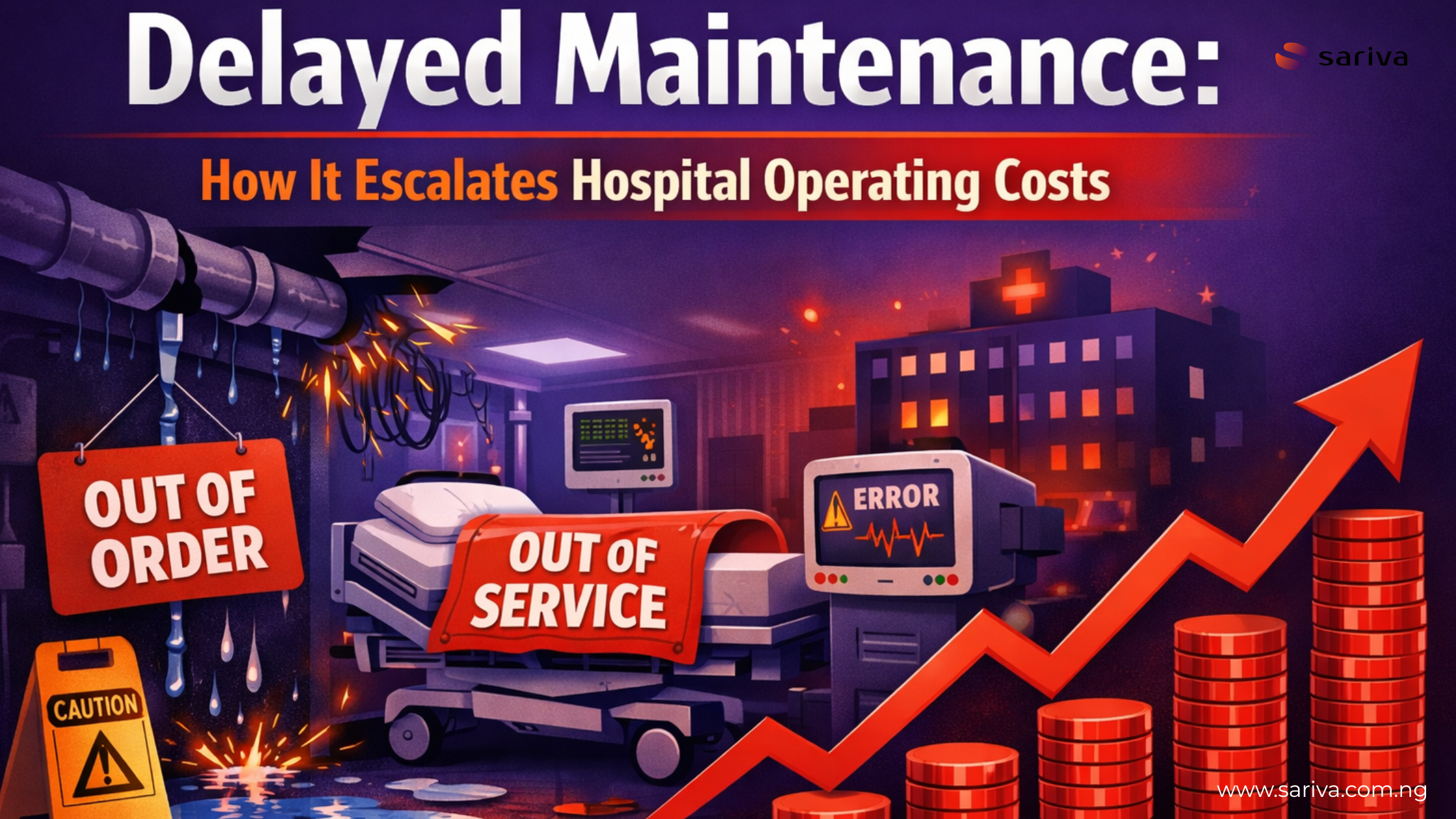
Delayed maintenance is not just a technical oversight. It is a major driver of hospital operating costs.
The Difference Between Maintenance and Repair.
Maintenance and repair are often used interchangeably, but they serve different purposes.
Preventive maintenance focuses on keeping equipment operating within optimal conditions. It involves routine inspections, calibration, component replacement, cleaning, and performance testing.
Repair, on the other hand, occurs after a fault or failure. It is reactive, usually more expensive, and often involves longer downtime.
Hospitals that rely primarily on repair rather than preventive maintenance eventually face higher costs, unpredictable equipment failures, and disrupted care delivery.
The Financial Impact of Delayed Maintenance.
Maintenance delays rarely produce immediate consequences. Equipment may continue operating for months before problems become visible. This delay creates a false sense of savings.
In reality, the costs accumulate in several ways.
Accelerated Equipment Wear
Small mechanical or electrical issues, when left unresolved, place stress on other components. Over time, minor problems expand into major system failures.
Expensive Emergency Repairs
Emergency service calls, urgent part replacements, and specialist interventions are significantly more expensive than scheduled maintenance.
Equipment Downtime
When critical devices stop working, procedures are postponed, diagnostic services are interrupted, and patient throughput declines. Lost revenue often exceeds the cost of preventive servicing.
Premature Equipment Replacement
Medical equipment represents a major capital investment. Without regular servicing, devices reach end-of-life far earlier than expected, forcing hospitals into unplanned purchases.
Increased Operational Stress
Staff must adapt when equipment fails unexpectedly. Workflows slow down, alternative devices are overused, and clinical teams operate under additional pressure.
Why Maintenance Often Gets Delayed.
Hospitals rarely delay maintenance intentionally. The problem often stems from competing priorities.
Common reasons include:
- Budget constraints that push servicing to a later date
- Lack of structured maintenance schedules
- Limited access to qualified biomedical engineers
- Poor documentation of equipment service history
- Overreliance on equipment until visible failure occurs
These factors create an environment where maintenance becomes secondary, even though it directly affects financial sustainability.
Building a Proactive Maintenance Culture.
Hospitals that control operating costs tend to treat maintenance as a strategic function rather than an optional expense.
Effective approaches include:
Preventive Maintenance Schedules
Every critical device should have a defined service interval based on manufacturer guidance and usage patterns.
Equipment Lifecycle Tracking
Maintaining records of installation dates, service history, and component replacements helps anticipate issues before failure occurs.
Dedicated Technical Support
Access to trained biomedical engineers ensures that equipment is monitored, calibrated, and serviced properly.
Staff Awareness
Clinical staff should be trained to report minor equipment irregularities early. Small observations often prevent major breakdowns.
Maintenance Budget Planning
Allocating funds for servicing protects far larger investments in medical technology.
Maintenance as a Financial Strategy.
Hospitals that prioritize preventive maintenance typically experience fewer equipment failures, lower repair expenses, and longer equipment lifespans.
The financial impact is measurable. Predictable servicing costs are far easier to manage than sudden equipment breakdowns that interrupt clinical operations.
Maintenance, when approached strategically, becomes a cost-control mechanism rather than an operational burden.
Planning for Long-Term Equipment Performance.
Sustainable healthcare systems depend on reliable equipment. That reliability does not happen by accident. It requires planning, monitoring, and disciplined servicing across the equipment lifecycle.
At Sariva Healthcare, maintenance planning is integrated into equipment support from the start. The focus is not only on installation but on ensuring that devices continue performing safely and efficiently over time.
Because in healthcare, the real cost of equipment is not the purchase price. It is the cost of keeping it working when patients depend on it.