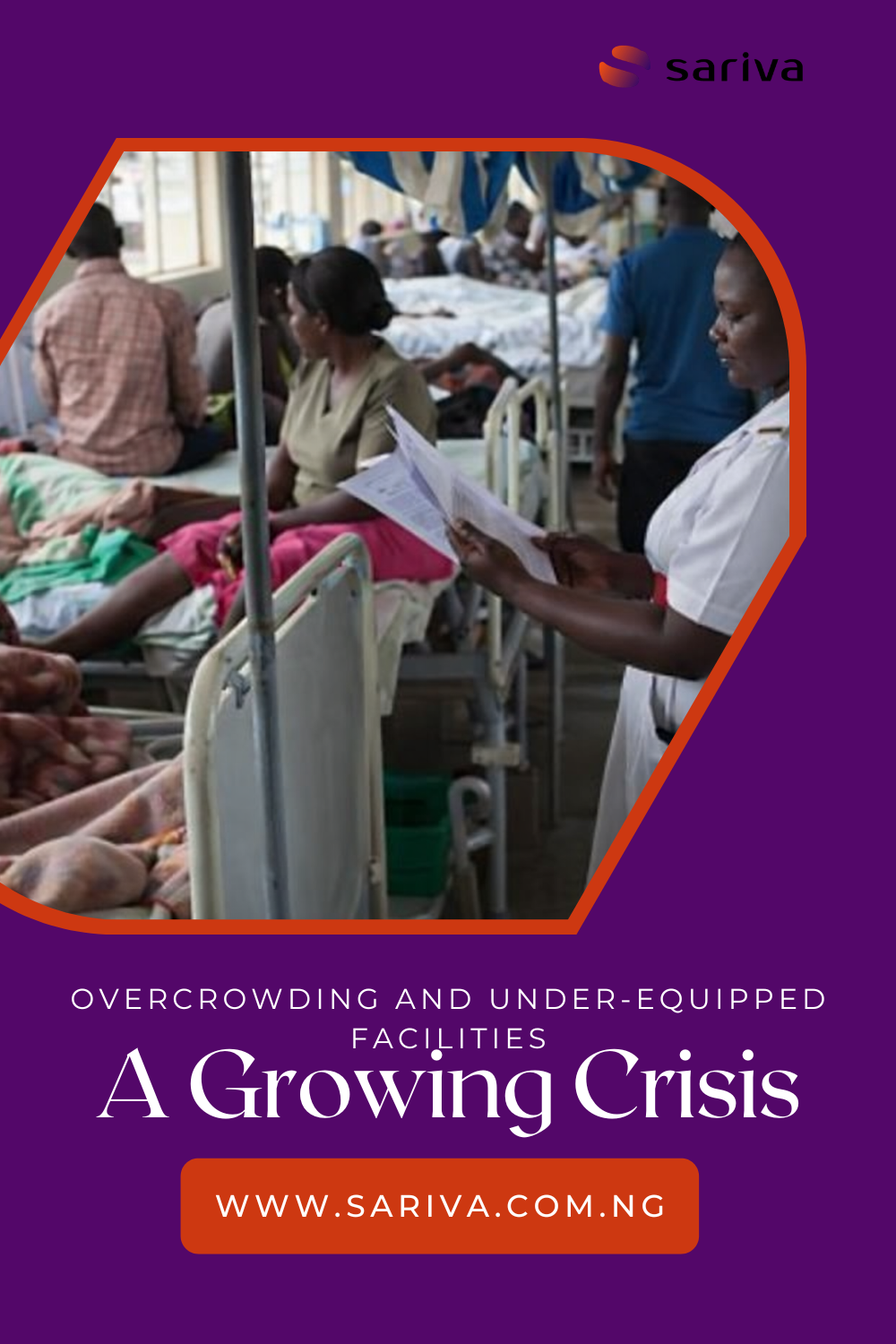
Healthcare is not just about hospitals; it’s about the systems that make them work. Yet across Nigeria, many hospitals face a recurring challenge: overcrowding in facilities that are under-equipped to meet patient demand. This combination is more than inconvenient; it is a growing crisis with real consequences for patient outcomes, staff morale, and operational sustainability.
While new hospitals are built and equipment is purchased, too often these investments fail to match patient volume, workflow, or operational reality. The result: crowded wards, delayed care, and equipment that is overused or prematurely worn.
The Causes Behind Overcrowding.
Overcrowding does not happen by chance. It is driven by systemic factors including:
- Population Growth and Urbanization: Cities and towns are expanding faster than healthcare infrastructure can keep up.
- Limited Access to Primary Care: Patients bypass clinics or community health centers and flood tertiary hospitals for routine care.
- Insufficient Bed Capacity: Wards are designed for fewer patients than they serve, creating bottlenecks.
- Understaffing: Even when beds exist, a lack of nurses and support staff limits functional capacity.
The Risks of Under-Equipped Facilities.
Overcrowding magnifies the weaknesses of under-equipped facilities. Hospitals with insufficient equipment face:
- Compromised Patient Care: Diagnostic delays, postponed surgeries, and longer hospital stays.
- Equipment Overuse and Failure: Devices designed for certain patient volumes wear out faster under constant pressure.
- Infection Risk: Crowded wards and shared equipment increase the likelihood of hospital-acquired infections.
- Staff Burnout: Nurses, doctors, and technicians struggle to deliver care under constant pressure, increasing turnover and reducing care quality.
The Hidden Cost.
The financial implications are significant. Frequent equipment repairs, accelerated depreciation, overtime pay, and patient dissatisfaction all add to the operational burden. A hospital may appear “functional” on paper, but overcrowding and equipment shortages quietly erode its effectiveness.
Solutions That Work.
Addressing this crisis requires system-level thinking, not just procurement. Key strategies include:
- Capacity Planning: Align facility design, bed numbers, and equipment with projected patient load.
- Workload-Based Staffing: Ensure personnel numbers reflect patient volume and clinical complexity.
- Equipment Lifecycle Management: Track usage, schedule preventive maintenance, and scale resources to demand.
- Process Optimization: Streamline patient flow, triage, and scheduling to reduce congestion.
- Community Health Integration: Strengthen primary care and referral networks to reduce unnecessary hospital visits.
The Way Forward.
Overcrowding and under-equipped facilities are symptoms of fragmented planning. Hospitals must be approached as systems where infrastructure, equipment, staff, and workflows are coordinated to meet real-world demand.
At Sariva Healthcare, we treat hospital setup holistically. From planning and equipment selection to operational workflow and lifecycle support, we focus on creating facilities that work efficiently, safely, and sustainably.
Because a hospital is not just a building,it is a system designed to deliver care, even under pressure.