The Sariva Blog
Learn about our product updates, company news, technical pieces, and tutorials. Want to read more? subscribe to our newsletter.

Learn about our product updates, company news, technical pieces, and tutorials. Want to read more? subscribe to our newsletter.
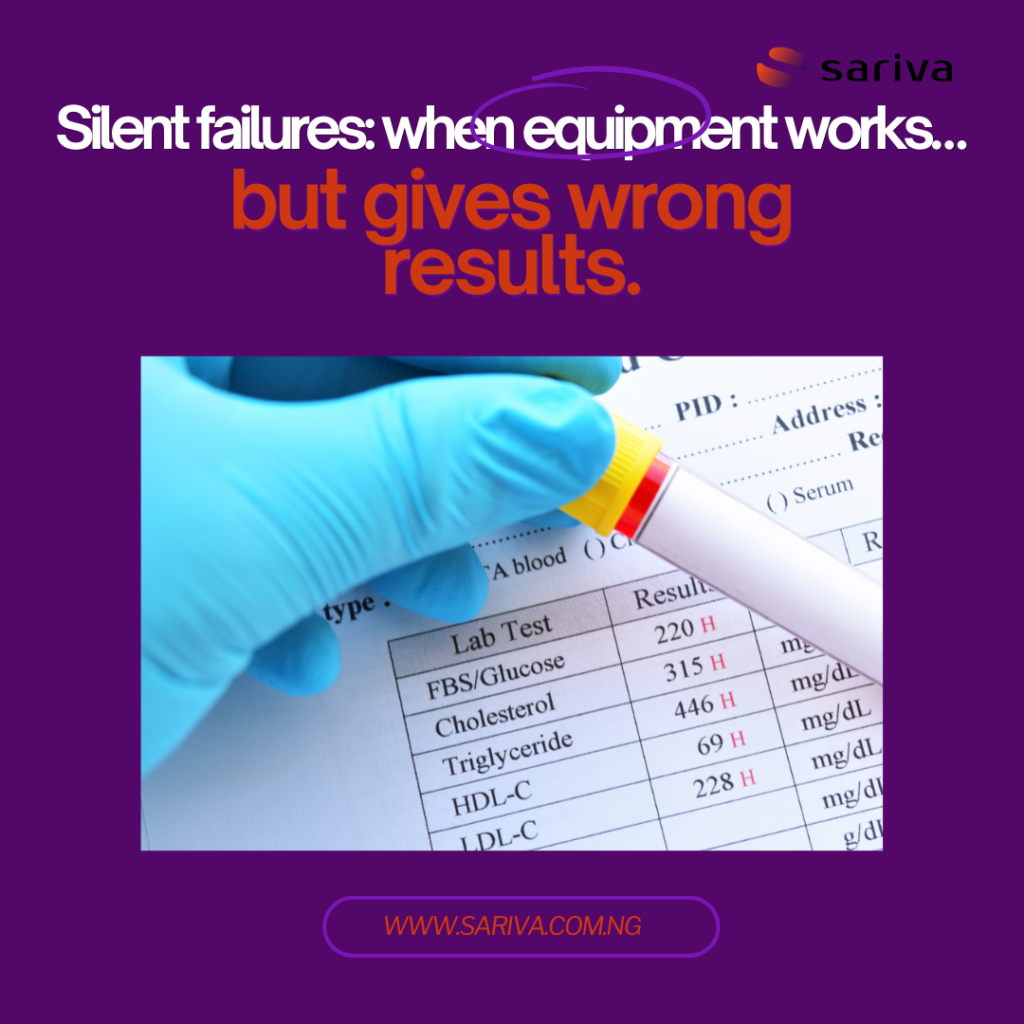
Not every equipment failure is obvious. Some devices stop working entirely. Others trigger alarms. But the most dangerous failures are the quiet ones, the moments when equipment appears to function normally while producing inaccurate results. These “silent failures” rarely attract immediate attention. There is no downtime, no visible fault, no urgent repair call. Yet the
SILENT FAILURES: WHEN EQUIPMENT WORKS….BUT GIVES WRONG RESULTS. Read More »

Every piece of medical equipment has a lifecycle. It is procured, installed, used, maintained, and eventually, it reaches a point where it no longer serves its purpose. For many hospitals, the challenge is not recognizing when equipment is obsolete. It is deciding what to do next. Too often, retired devices are left in storage rooms,
WHAT TO DO WITH OBSOLETE OR DECOMMISSIONED EQUIPMENT. Read More »
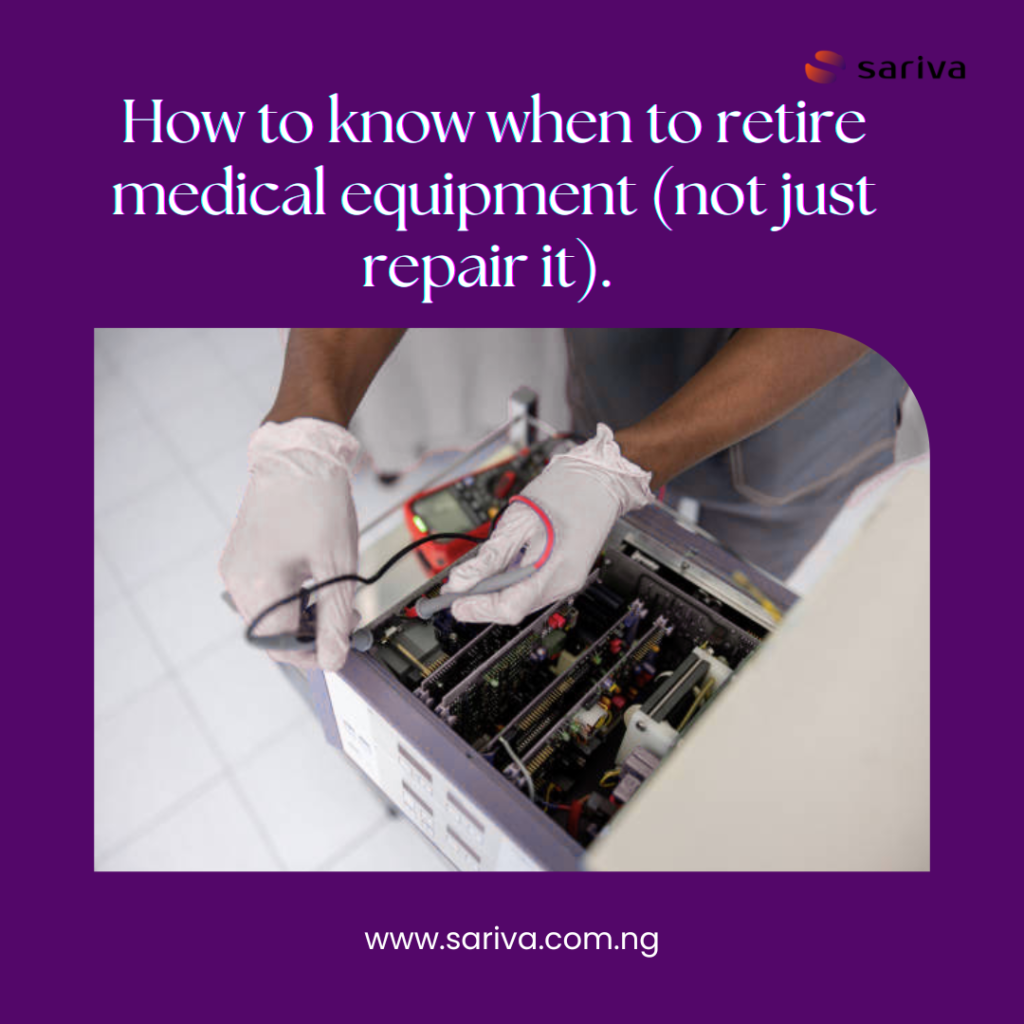
In many hospitals, the default response to equipment issues is repair. A fault appears, a technician is called, a part is replaced, and the machine goes back into use. On the surface, it feels cost-effective. But there comes a point where continued repairs stop making financial and clinical sense. The challenge is that this point
HOW TO KNOW WHEN TO RETIRE MEDICAL EQUIPMENT (NOT JUST REPAIR IT). Read More »
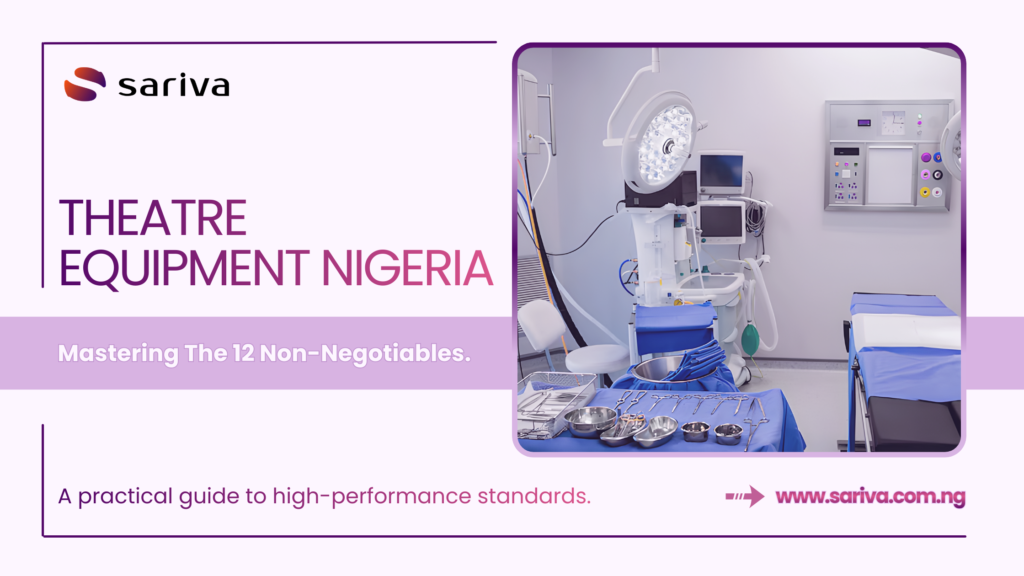
When we talk about theatre equipment Nigeria, most conversations start with a checklist. Table. Lights. Anaesthesia machine. And done. But anyone who has actually worked inside an operating theatre knows it is never that simple. A theatre can look complete on paper and still struggle in real use. Little things like delays and staff frustration
Theatre Equipment Nigeria: 12 Non-Negotiables for a High-Performance Operating Theatre Read More »
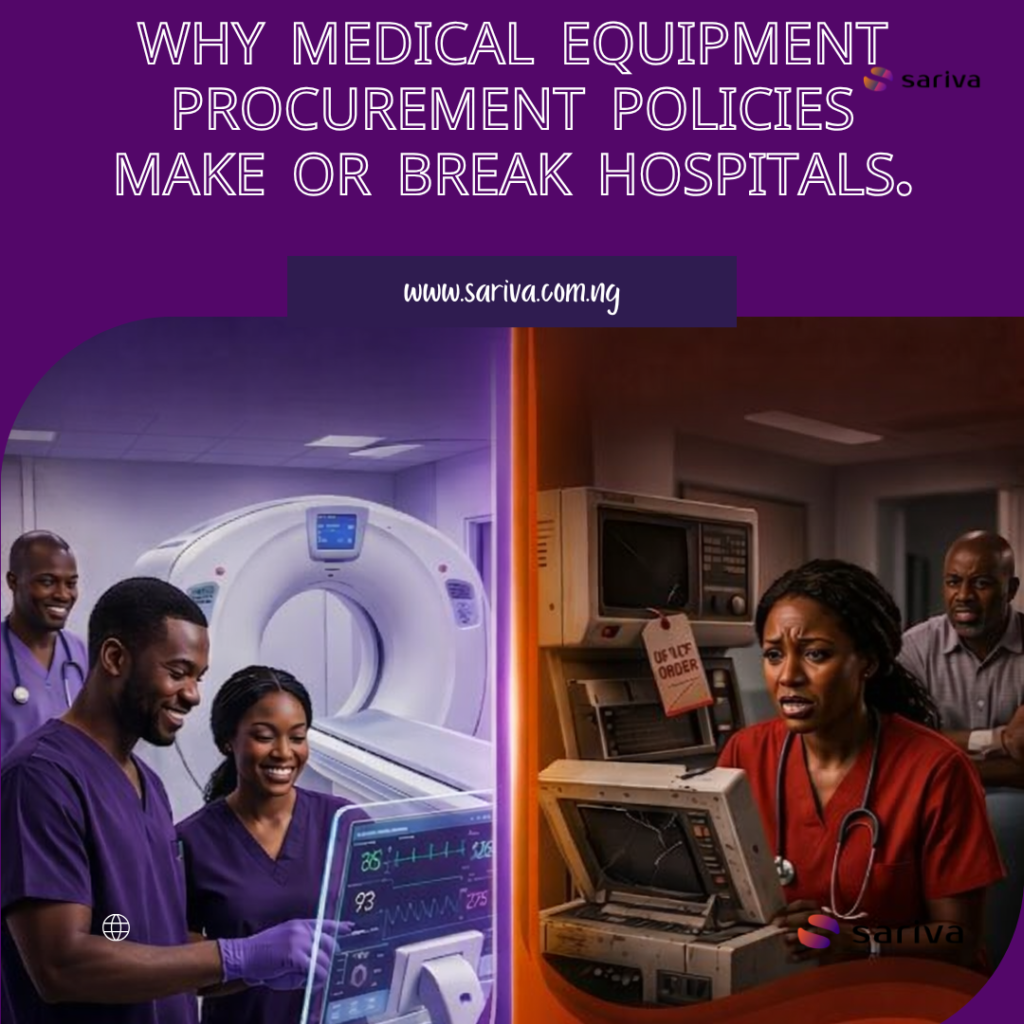
Medical equipment is the backbone of any hospital. From ventilators and imaging systems to laboratory analyzers and sterilization units, equipment determines the quality, efficiency, and safety of care delivered. Yet in many public hospitals, procurement policies are treated as a bureaucratic formality rather than a strategic function. Decisions are often influenced by short-term budgets, political
WHY MEDICAL EQUIPMENT PROCUREMENTS POLICIES MAKE OR BREAK HOSPITALS. Read More »
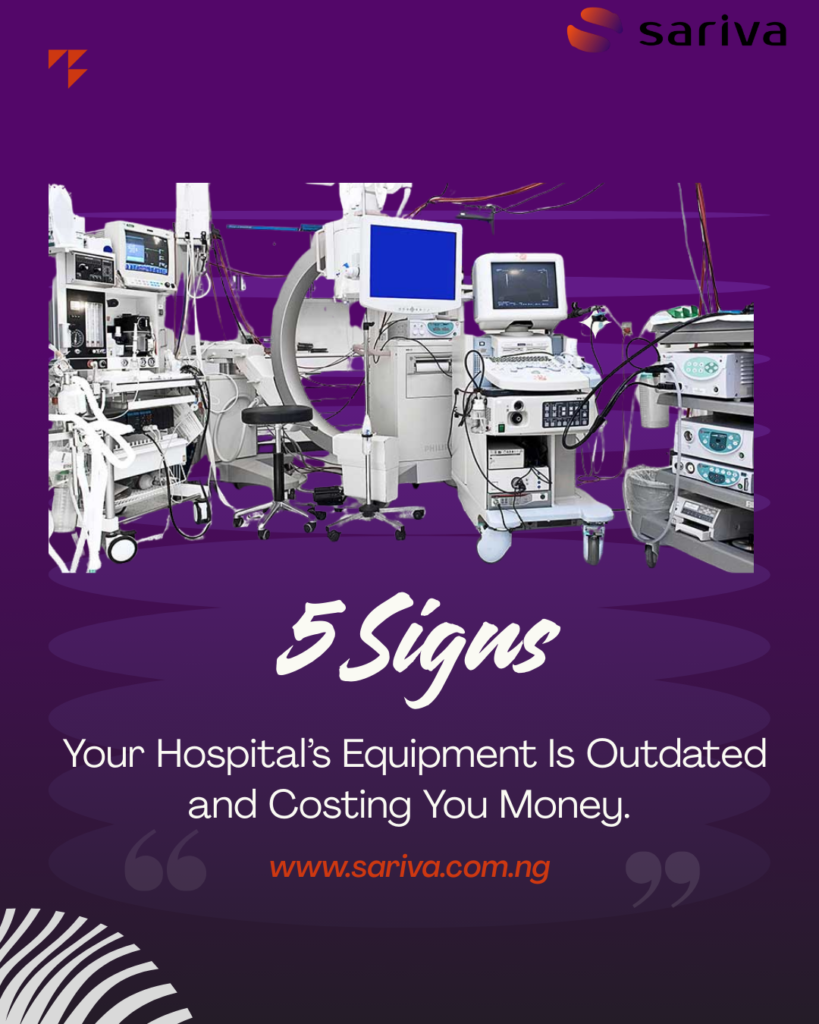
Medical equipment is one of the largest investments a hospital makes. Diagnostic machines, monitoring systems, sterilization units, and surgical devices all play a central role in patient care and operational efficiency. Yet equipment rarely stops working overnight. More often, it slowly becomes outdated. Performance declines, maintenance becomes frequent, and staff begin working around its limitations.
5 SIGNS YOUR HOSPITAL’S EQUIPMENT IS OUTDATED AND COSTING YOU MONEY. Read More »
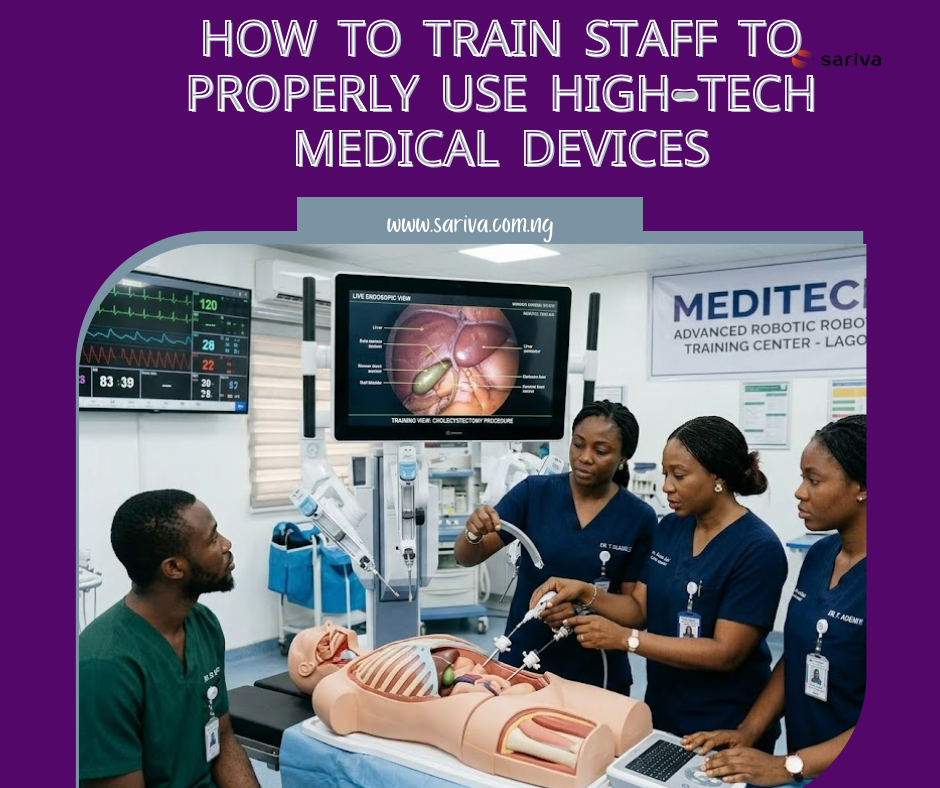
Medical technology has transformed healthcare. Advanced diagnostic machines, ventilators, imaging systems, and laboratory analyzers improve accuracy, efficiency, and patient outcomes. But these benefits only materialize when staff know how to operate them correctly. In many hospitals, equipment is purchased and installed, yet proper training is overlooked or treated as an afterthought. The result? Misuse, underutilization,
HOW TO TRAIN STAFF TO PROPERLY USE HIGH-TECH MEDICAL DEVICES. Read More »
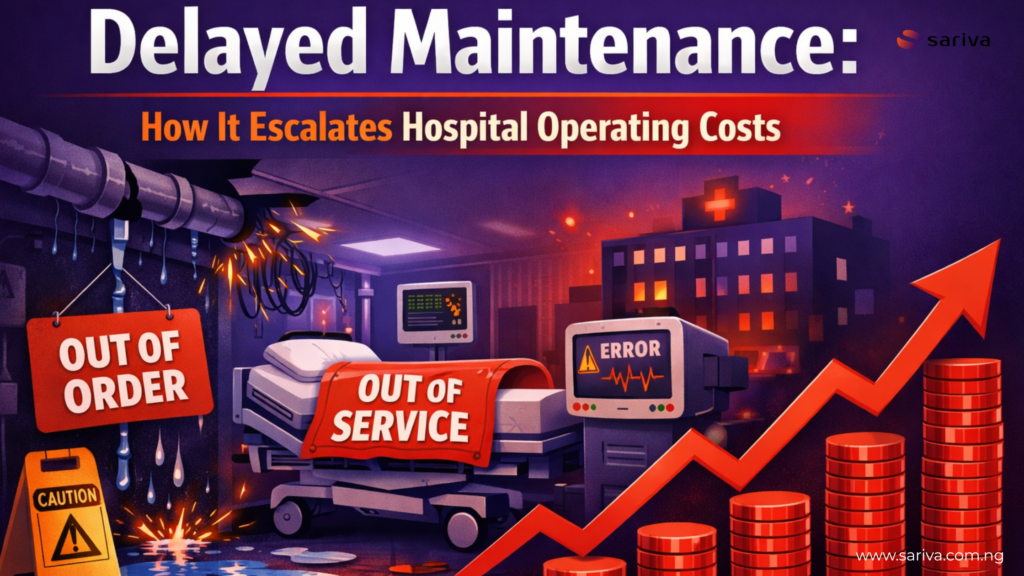
Hospital equipment is built for precision. Ventilators regulate breathing. Imaging systems capture diagnostic detail. Laboratory analyzers process results clinicians depend on. But behind every functioning device is a less visible requirement: consistent maintenance. In many hospitals, maintenance is treated as something to address when equipment fails. The result is a cycle of reactive repairs, rising
DELAYED MAINTENANCE: HOW IT ESCALATES HOSPITAL OPERATING COSTS. Read More »
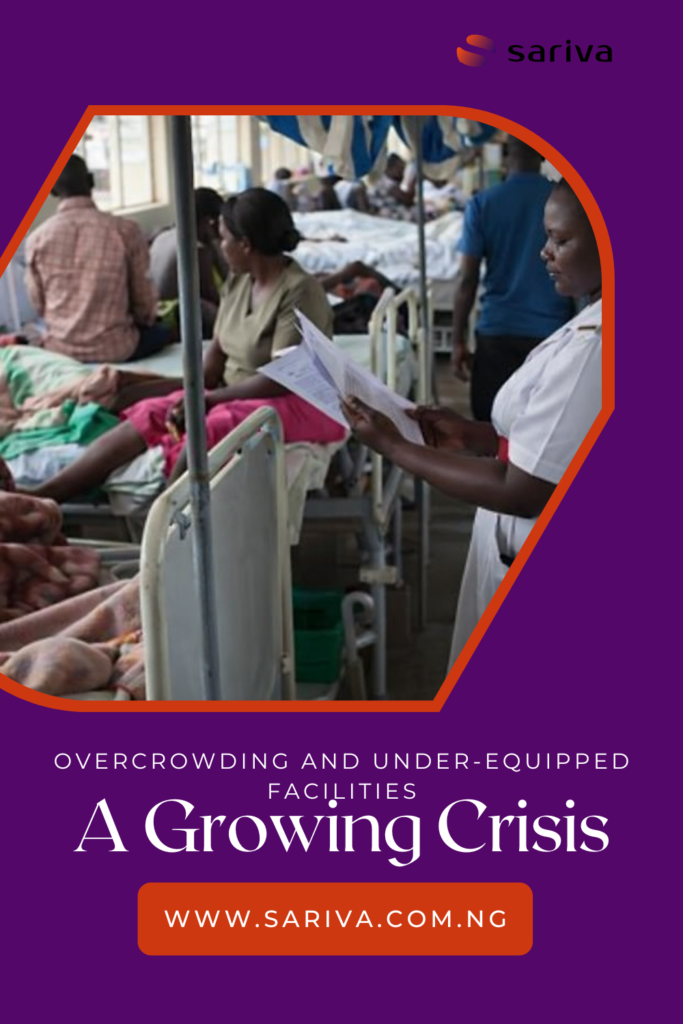
Healthcare is not just about hospitals; it’s about the systems that make them work. Yet across Nigeria, many hospitals face a recurring challenge: overcrowding in facilities that are under-equipped to meet patient demand. This combination is more than inconvenient; it is a growing crisis with real consequences for patient outcomes, staff morale, and operational sustainability.
Overcrowding and Under-Equipped Facilities: A Growing Crisis. Read More »
Electricity is often treated as background infrastructure in healthcare. It powers lights, air conditioning, and administrative systems. Yet in practice, stable electricity is a clinical requirement. When power becomes unreliable, patient care, equipment performance, and hospital finances are all affected. Across Nigeria and many emerging health systems, power instability remains one of the most persistent
POWER SUPPLY INSTABILTY and IT’S IMPACT on HOSPITAL EQUIPMENT. Read More »