
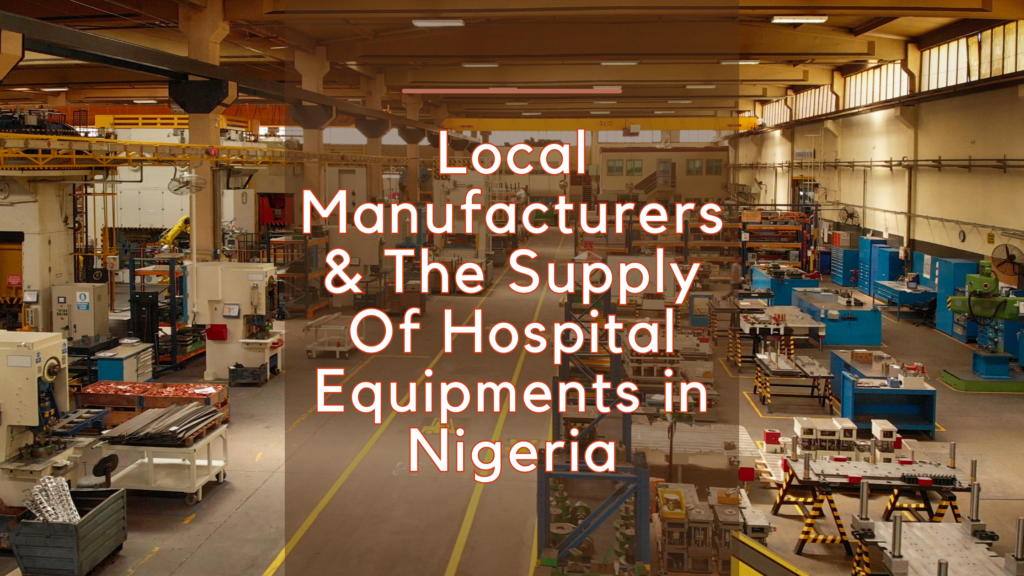
Local manufacturing of hospital equipment in Nigeria has gained increasing attention. This is more important after global supply chain disruptions caused by events like the COVID-19 pandemic. It revealed the risks of relying heavily on imports for essential medical supplies. Local manufacturers are stepping up and need to continue to fill this gap. They provide cost-effective and accessible equipment designed for the specific needs of Nigerian hospitals.
Some of these local manufacturers are:
Jubilee Syringe Manufacturing Company (JSM), in Akwa Ibom State, is a prominent example. JSM began operations in 2017, and became one of the largest syringe manufacturers in Africa. They produce about 3 million syringes daily. The company’s operations have met a significant demand for syringes while reducing the country’s reliance on imported medical supplies.
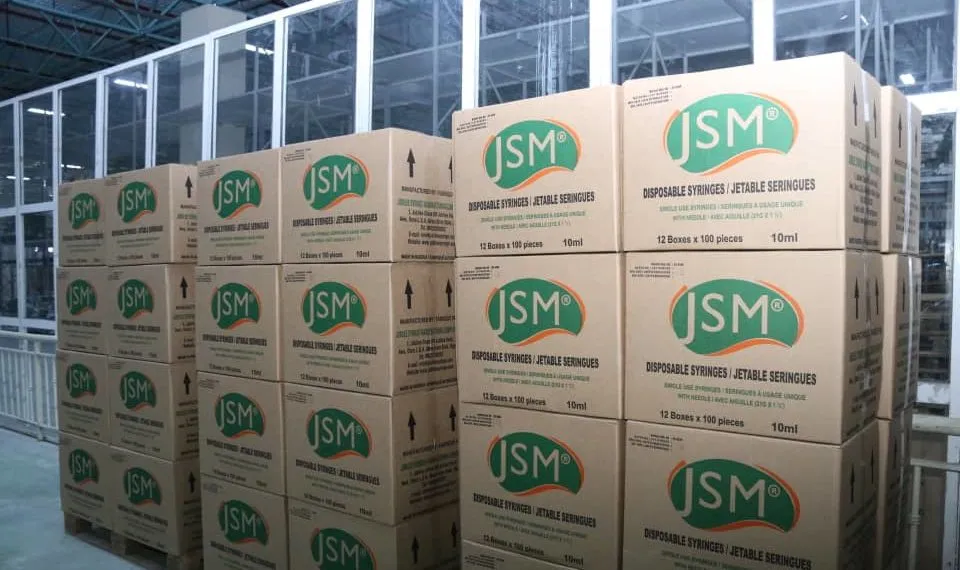
Afrimedical is also one of the largest syringe manufacturing companies in Africa, with an annual capacity of 1.8 billion syringes. Established in 2019, Afrimedical supplies crucial medical solutions, such as sterile hypodermic & auto-disable Immunization syringes, face masks, and sanitizing tunnels. These are vital against virus-related infections across Nigeria and Africa.
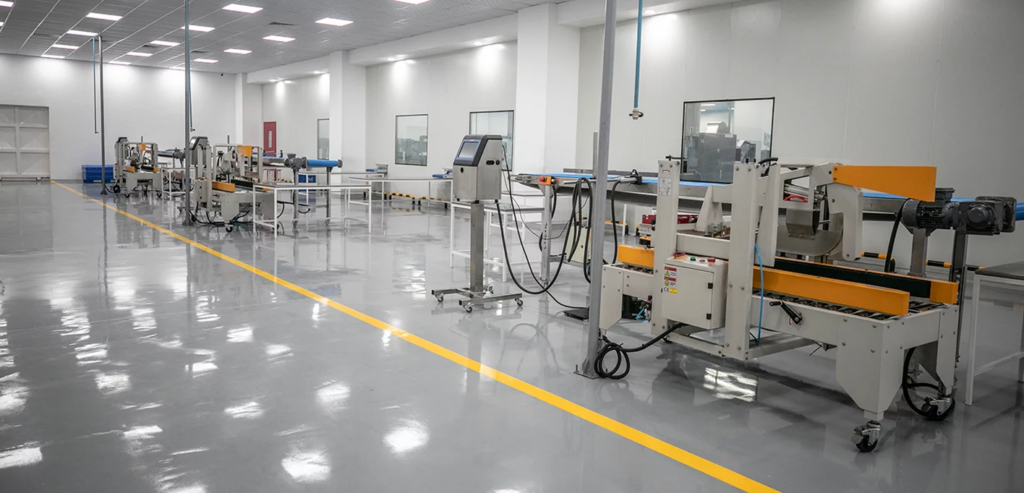
Med-In Pharmaceuticals in Ogun State produces thousands of bottles of intravenous (IV) fluids per hour. They ensure a reliable and cost-effective supply of hospital equipment in Nigeria.
Similarly, First Medical and Sterile Products, based in Calabar, is a pioneer in manufacturing essential medical items. They produce auto-disable syringes, medical waste incinerators, and safety boxes. These are crucial for enhancing safety and preventing the spread of infectious diseases.
They demonstrate the potential to scale up production and become key players in both regional and global markets. Local manufacturers do this while improving healthcare and reducing dependence on imports.
Challenges and the Need for More Local Manufacturers
Despite the successes of these companies, the local manufacturing sector in Nigeria still faces significant challenges.
High production costs.
Inadequate infrastructure.
Limited access to finance and,
Shortage of skilled labor are among the barriers that hinder the growth of the industry.
For instance, Jubilee Syringe Manufacturing Company(JSM) should have remained a success story but the company ceased its operations in 2024. They cited foreign exchange (FX) challenges, and stated a return if and when they secured financing.
Morever, the domestic market is still dominated by imported medical devices. This means local manufacturers often struggle to compete on price and quality. Addressing these challenges requires joint efforts from both the public and private sectors. The Nigerian government has recognized the importance of developing local manufacturing and has initiated special programs. Programs such as the “Unlocking the Healthcare Value-Chain” to encourage investment in local healthcare manufacturing.

The Role of Healthcare Equipment Suppliers in Bridging the Gap
Until local manufacturing can fully meet the country’s needs, importers and suppliers play a crucial role. They ensure that Nigerian hospitals have access to essential equipment. Companies like Sariva Healthcare and Danhodi Engineering are key players in this space. These companies import and distribute a wide range of medical devices. Advanced diagnostic equipment to everyday consumables are supplied to ensure that healthcare providers can deliver quality care to patients.


The Way Forward: Strengthening Local Manufacturers
Nigeria can become self-sufficient in producing hospital equipment in Nigeria with a stronger focus on supporting local manufacturers. This support can include providing access to finance, investments, and enhancing technical education to develop necessary skills for manufacturing. Public-private partnerships can also play a significant role by combining the resources and expertise of both sectors. Moreover, government policies that promote local content and encourage investment in the manufacturing sector are essential. The policies should create an enabling environment for businesses, reducing the barriers to entry for new manufacturers. It should also ensure locally produced equipment meet international standards.
While these local manufacturers are making significant strides, there is still much to be done. The continued collaboration between local manufacturers, government, and suppliers like Sariva Healthcare is crucial. It ensures that Nigeria’s healthcare system is equipped to meet the needs of its population. As the country works towards self-sufficiency, the importance of expanding local manufacturing capabilities cannot be overstated.